If you are thinking about new construction in Walsh Ranch, one of the first questions is usually simple: how long will this take, and when should financing start? That is a smart question, especially in an established community where lot availability, approvals, and builder timelines may not work like they do in a brand-new subdivision. The good news is that you can avoid many common delays when you understand the major milestones early. Let’s walk through what to expect from lot selection to closing, and where financing fits into each step.
Walsh Ranch build opportunities
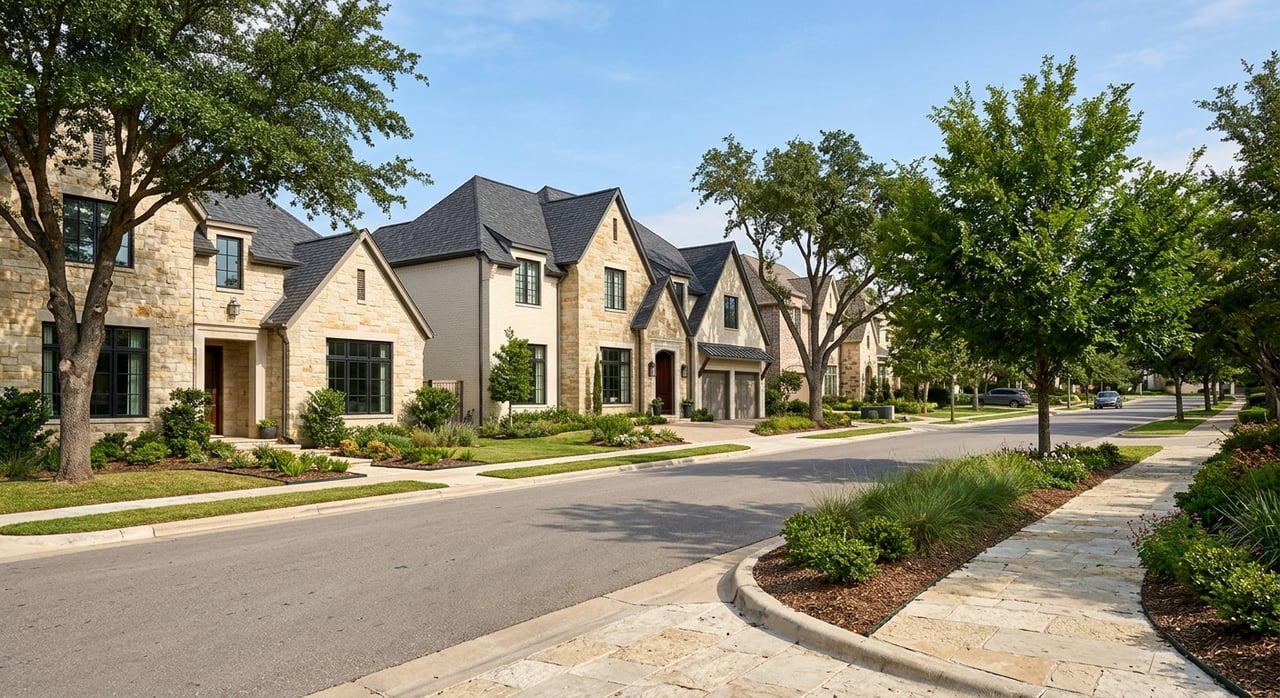
Walsh Ranch is an established master-planned community in northwest Round Rock with 238 homes, and the HOA describes it as having mature landscaping and heavily treed homesites. That matters because new construction opportunities may be more lot-specific and phase-specific than in a newly opened neighborhood with a large batch of identical inventory. You can review general community information through the Walsh Ranch HOA.
Because the neighborhood is established, buyers should verify current build opportunities directly with the builder or community contact rather than assume there are always multiple ready-to-build lots. The HOA also notes that some improvements require ADRC approval, which can add another layer to the planning process depending on the homesite and scope.
New construction timeline overview
For most buyers, the full timeline is longer than a resale purchase because you are not just buying a home that already exists. You are also working through plan selection, design choices, builder scheduling, permitting, construction milestones, inspections, and final handoff.
Based on builder guidance, a straightforward new build often includes 30 to 50 days before construction starts, followed by about four to five months of construction once work begins. In real life, the total contract-to-move-in timeline can stretch longer if weather, permits, utilities, materials, or buyer changes affect the schedule.
Before construction begins
Before a builder breaks ground, several pieces usually need to come together. Perry Homes says construction often begins 30 to 45 days after the earnest money contract, while KB Home says pre-construction steps generally take 30 to 50 days, including mortgage completion, design studio selections, and permit approval.
This early stage is where many buyers underestimate the timeline. Even if you have found the right lot quickly, you may still need time to finalize the floor plan, submit paperwork, make design selections, and keep financing on track.
Typical pre-construction tasks
You can expect this phase to include items like:
- Choosing a homesite
- Selecting a floor plan
- Reviewing builder options and upgrades
- Completing financing steps
- Making design selections
- Waiting on permit approval
In Walsh Ranch, it is also smart to confirm any lot-specific requirements early. Since the community is established, details tied to the homesite may matter more than they would in a large new release.
Construction stages to expect
Once construction starts, the process usually moves through a clear sequence. Perry Homes outlines the homebuilding process as homesite preparation, foundation, framing, roof and dry-in, mechanical rough-in and insulation, drywall, trim, painting, final touches, and grading or landscaping.
That sequence is helpful because it gives you a realistic picture of what happens between contract and closing. It also explains why a new-construction purchase takes more time than a resale transaction, where most of those physical build steps are already complete.
What can affect timing
Even with a planned schedule, delays can happen. Perry Homes notes that weather, permits, utility availability, lot delivery, materials, contractor availability, buyer-requested changes, and independent inspections can all affect the timeline.
For you as a buyer, that means flexibility matters. A target closing date is helpful, but it should be treated as an estimate until the home moves through major construction milestones.
Key inspection milestones
Two of the most important checkpoints happen before closing. KB Home’s timeline overview highlights the pre-drywall orientation and the homeowner orientation as major milestones.
The pre-drywall stage gives you a chance to see the home before walls are closed up. The homeowner orientation is typically when you review finishes, systems, and the overall condition of the property as the home gets close to completion.
These milestones are more than simple walkthroughs. They are your opportunity to confirm that the home matches your selections and that any concerns are identified before closing day arrives.
When to start financing
If you are shopping for new construction in Walsh Ranch, financing should start before or right as your lot and plan search begins. According to the Consumer Financial Protection Bureau’s preapproval guidance, a preapproval letter helps show you are a serious buyer, but it does not commit you to a lender.
That early step matters because builders often want to see that your financing is progressing while design and permit work are happening. It also helps you set a realistic budget before you make decisions on lot premiums, structural options, or upgrades.
Why preapproval timing matters
CFPB also notes that preapproval letters typically expire in 30 to 60 days. Since new construction can take several months, you may need to update your paperwork if the build timeline extends beyond the original preapproval window.
That does not mean anything is wrong. It just means your lender may need refreshed documents as the process moves along.
You can apply before a signed contract
A common misunderstanding is that you have to wait until you sign a purchase contract to begin the mortgage process. CFPB says that is not the case. You do not need a signed purchase contract to apply for a mortgage or receive a Loan Estimate, according to this CFPB mortgage application guidance.
That can be especially useful in Walsh Ranch, where build opportunities may be more limited or lot-specific. Starting the financing conversation early can help you act faster when the right opportunity appears.
Documents lenders may request
As you move forward, expect your lender to ask for documentation and updates. CFPB notes that lenders may verify:
- Income
- Assets
- Debts
- Employment details
- Explanations for large deposits
The smoother and faster you provide these items, the easier it is to keep financing aligned with the builder’s timeline.
Tax district details to confirm early
One easy step that can save confusion later is verifying tax district details at the beginning of the process. Williamson County tax records list a Walsh Ranch MUD, so buyers should confirm the exact homesite and district details rather than assume the tax picture matches a nearby Round Rock neighborhood. You can review county tax district information through the Texas Comptroller’s Williamson County directory.
This matters because taxes affect your monthly payment and overall affordability. Confirming those details early gives you a more accurate financing picture before you get deep into design choices or builder commitments.
Rate locks for new construction
Rate locks can be one of the trickiest parts of financing a home that is still being built. CFPB explains that a rate lock keeps the interest rate from changing between offer and closing, as long as you close within the lock period and your loan file does not change. Common lock periods are 30, 45, or 60 days, and longer periods may be available at additional cost, according to the CFPB rate lock overview.
For new construction, timing is everything. If the home is not expected to be complete within a standard lock window, you should ask about longer lock options or possible extensions.
What can change a locked rate
CFPB also notes that a locked rate can still change if important loan details change, such as:
- Loan amount
- Credit score
- Verified income
- Appraisal results
That is why it helps to keep your finances steady during construction and stay in close contact with your lender as the home nears completion.
Final walkthrough and closing week
The final walkthrough is not just a formality. NewHomeSource explains that the final inspection or walk-through usually happens a day or two before closing and is your last chance to catch defects or unfinished work.
Their guidance recommends bringing a checklist, taking photos, and using blue painter’s tape to mark items that need attention. In practical terms, the last week before closing should feel like a quality-control period, not just a paperwork sprint.
What to review at the walkthrough
During the final walkthrough, focus on:
- Unfinished work
- Cosmetic defects
- Appliance and system checks
- Fit and finish issues
- Whether your selected features appear to match the contract
If you see issues, document them clearly before closing whenever possible. NewHomeSource also notes that many builders request a 30-to-90-day follow-up list and a one-year warranty check-in, so post-closing communication may still be part of the process.
Closing day expectations
At closing, CFPB notes that the money due is generally delivered by cashier’s check or wire transfer, not cash. By this stage, your financing, builder documentation, and final home review should all be lined up so you can move from signing to move-in with fewer surprises.
For many buyers, the best way to reduce stress is to think of the process in phases. If you stay organized during preapproval, responsive during construction, and detail-focused during the final walkthrough, the longer new-construction timeline becomes much more manageable.
A smart path for Walsh Ranch buyers
In Walsh Ranch, a successful new-construction purchase usually comes down to three things: confirming current build opportunities, starting financing early, and staying flexible as the timeline develops. Because the community is established, the details around homesites, approvals, taxes, and timing can be more specific than in a freshly launched subdivision.
If you want a clearer path from preapproval to closing, working with a team that understands both the home search and the financing side can make the process easier to manage. If you are preparing to buy in Walsh Ranch or another DFW-area community, connect with John Barton for a straightforward plan and personalized guidance.
FAQs
How long does new construction in Walsh Ranch usually take?
- A typical timeline may include about 30 to 50 days before construction starts and roughly four to five months of building time after that, though delays can happen.
When should you get preapproved for a Walsh Ranch new-construction home?
- You should ideally get preapproved before or right as you begin searching for a lot and floor plan, then update your documents as the build timeline becomes clearer.
Can you apply for a mortgage before signing a new-construction contract?
- Yes. CFPB says you do not need a signed purchase contract to apply for a mortgage or receive a Loan Estimate.
Why should Walsh Ranch buyers confirm tax district details early?
- Williamson County records list a Walsh Ranch MUD, so confirming the exact homesite and district early can help you estimate your monthly payment more accurately.
What should you bring to a new-construction final walkthrough?
- A checklist, your phone for photos, and blue painter’s tape can help you document defects, unfinished work, or items that need correction before closing.