What is your home really worth to a lender in Fort Worth? When you buy, sell, or refinance, the appraisal can make or break your timeline and price. If you understand how appraisals work, you can prepare well, avoid surprises, and move confidently. In this guide, you will learn what an appraisal is, how the process runs in Tarrant County, what local factors can affect value, and how to respond if the number comes in low. Let’s dive in.
What an appraisal does
An appraisal is a licensed appraiser’s opinion of market value at a specific date. Lenders use it to limit risk and set the maximum loan amount. It is required for most mortgages in the Fort Worth-Arlington area.
An appraisal is not a home inspection. Inspectors focus on condition and safety, while appraisers focus on value supported by market evidence. It is also different from the county tax assessment, which is set by the Tarrant County Appraisal District for property taxes and follows its own schedule and methods.
Common appraisal types
- Lender-ordered mortgage appraisal for purchases or refinances
- Pre-listing appraisal ordered by a seller to help set price
- Private appraisals for divorce, estate, or tax appeal purposes
- Program-specific appraisals for FHA, VA, or USDA loans
Who regulates appraisers in Texas
Appraisers must hold a Texas state license or certification and follow the Uniform Standards of Professional Appraisal Practice. Mortgage programs like Fannie Mae, Freddie Mac, FHA, and VA also set rules for scope and reporting. You can verify an appraiser’s credentials through the state registry or professional groups.
The appraisal process in Fort Worth
Order and engagement
Your lender orders the appraisal after you apply for the loan, often through an appraisal management company. The borrower usually pays the fee at closing for lender-ordered appraisals. If you are selling, you may choose to order a pre-listing appraisal and pay for it yourself.
Appraiser preparation
Before visiting the home, the appraiser researches recent sales, market trends, tax records, plats, and zoning or HOA details. For most single-family homes, the typical report is the Uniform Residential Appraisal Report, also called Form 1004. The appraiser confirms the type of analysis required by the loan program.
On-site inspection
Many loans still require interior access. During the visit, the appraiser measures living area, counts bedrooms and bathrooms, reviews finishes and systems, and photographs the property. They also look for visible issues such as roof wear, HVAC age, foundation movement, drainage concerns, or signs of storm damage.
Selecting comparable sales
For single-family homes, the sales comparison approach is primary. The appraiser selects recently closed homes that are nearby and similar in size, age, condition, lot, and features. They adjust for meaningful differences to estimate how the market values the subject property.
Reconciling value and delivery
The appraiser may cross-check the value using the cost approach for newer builds or the income approach for rentals. They reconcile the evidence and deliver a final opinion of value to the lender. You are entitled to a copy from your lender.
Timing and reviews
Turnaround in Tarrant County often ranges from about one to two weeks, depending on volume and property complexity. The lender’s underwriter may ask questions, request clarification, or in some cases require a second appraisal. Your closing timeline will reflect both the appraisal and any follow-up review.
Local factors that influence value
Neighborhood and access
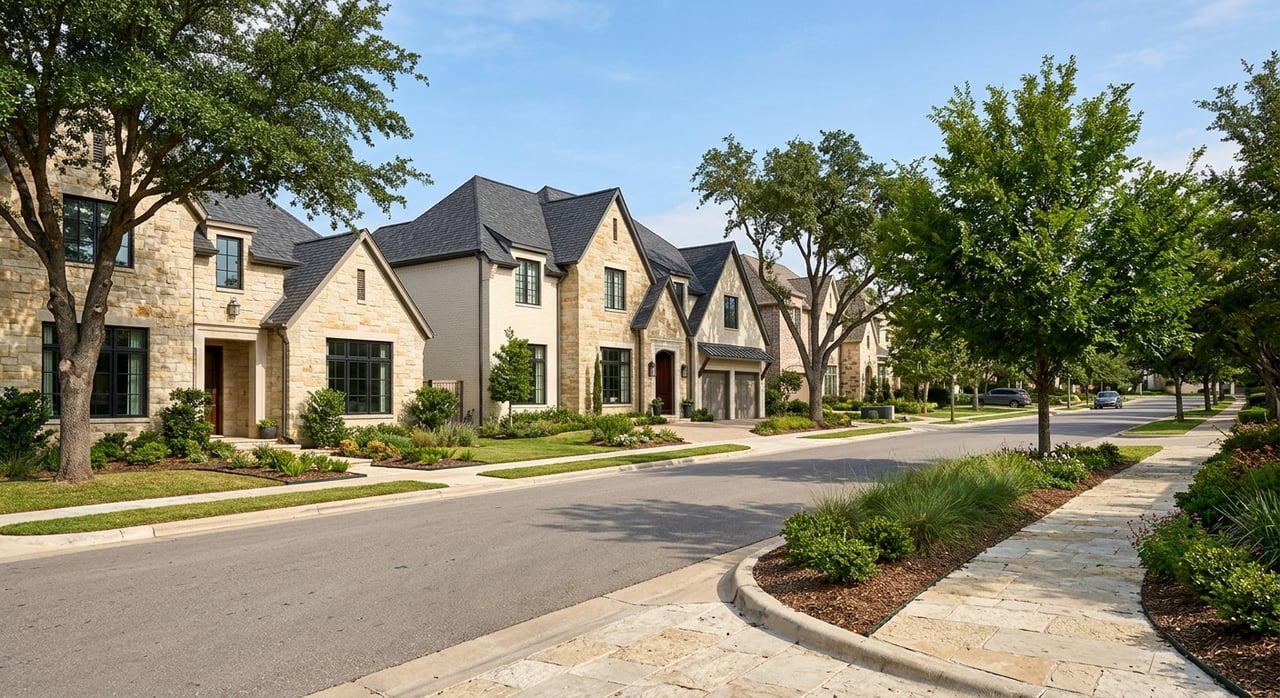
The Fort Worth market covers established intown neighborhoods and fast-growing suburbs. Access to major corridors like I-35W, I-20, and Loop 820, as well as proximity to downtown, TCU, hospitals, and the DFW airport area, can influence buyer demand. School district boundaries also shape market activity and comparable selection.
Floodplains and drainage
Parts of Fort Worth near the Trinity River and its tributaries sit in mapped flood zones. If a home is in a designated floodplain, it can affect marketability and insurability. Appraisers note flood status and consider any impact on value.
Expansive soils and foundations
North Texas clay soils expand and contract with moisture, which can lead to foundation movement. Visible settling, previous repair work, or engineering reports can influence an appraiser’s view of condition and market value. Clear documentation of repairs or warranties helps the lender and appraiser.
Condition, permits, and updates
Older Fort Worth homes vary widely in condition. Quality updates with permits and receipts typically support value better than unpermitted additions. Non-permitted work can prompt downward adjustments or lender conditions.
Unique or historic homes
In areas with mixed architecture, large lots, or historic features, true apples-to-apples comps can be limited. Appraisers may need to go farther back in time or draw from a wider area, which can increase the range of supported values. Expect more explanation in the report for one-of-a-kind properties.
Loan program differences
Conventional appraisals
Conventional loans usually use the standard URAR form and sales comparison approach. Some borrowers may qualify for an appraisal waiver or exterior-only valuation if the lender’s system allows it. Eligibility depends on the property and the loan profile.
FHA expectations
FHA appraisals include a limited condition review against HUD’s minimum property requirements. Safety and habitability issues often must be fixed before closing. Expect the appraiser to call out items like peeling paint on older homes, missing handrails, or trip hazards.
VA appraisals
VA appraisers determine reasonable value and check that the home meets the program’s property requirements. Repairs can be required or handled through an escrow if the lender and program allow. Timelines and communication can differ slightly from conventional process.
Waivers and exterior-only appraisals
In certain cases, a lender may accept a waiver or a drive-by appraisal. These options can save time and cost, but they are not available for every borrower or property. Your loan officer will confirm if your file qualifies.
What to do if the appraisal is low
A value below the contract price can still be managed. Your options include:
- Renegotiate the purchase price with the seller
- Bring extra cash to cover the gap between value and price
- Ask your lender to request a reconsideration of value with better comps and documentation
- Seek a second appraisal if the loan program allows
- Cancel under a valid appraisal contingency
If you believe the appraiser missed relevant comps or made inaccurate adjustments, assemble closed sales that are truly comparable, ideally within the last few months and near the home. Include MLS sheets, photos, and notes on lot, condition, or updates that support your position. Keep the request focused and factual.
How to prepare for the appraisal
For sellers
- Complete obvious repairs and address deferred maintenance that can impact value or loan approval
- Create a one-page list of upgrades with dates and costs, plus permits and warranties
- Provide documentation for foundation work, roof replacement, HVAC, or energy improvements
- Make the home easy to access, clean, and well lit for accurate photos and measurements
For buyers
- Understand your appraisal contingency and timelines in the contract
- Share a list of recent improvements if the seller provides it to you
- Stay flexible on closing timelines in case the lender requests follow-up items
- Ask your agent to monitor new comparable sales that close during your option or financing period
For both parties
- Clarify the loan program expectations, especially for FHA or VA repairs
- Keep communication open if storms or new damage occur before the appraisal
- If a low value arrives, respond quickly with focused evidence
Costs and timelines
The borrower usually pays the appraisal fee for lender-ordered appraisals at closing. Pre-listing appraisals are paid by the seller when the seller orders them. Fees and turnaround times vary, and complex properties can require more time.
Most appraisals in Tarrant County take about one to two weeks from order to delivery, with extra time for lender review. Ask your lender and agent to build a realistic timeline into the contract to avoid last-minute delays.
Working with a coordinated team in Fort Worth
Because the appraisal bridges both lending and brokerage, a coordinated approach can reduce stress. A lender who understands Tarrant County nuances can set expectations on waivers, program rules, and timing. An agent with strong neighborhood knowledge can supply relevant comps and documentation if the lender requests a reconsideration of value.
With an integrated mortgage and brokerage team, you get one conversation about financing, appraisal timing, and contract terms. That can help you act faster, prevent surprises, and navigate a low appraisal with clear options.
Ready to move forward?
If you are planning to buy or sell in Fort Worth, you deserve a clear appraisal game plan from the start. Our team aligns lending and brokerage so you know what to expect, when to act, and how to protect your goals. Connect with John Barton to map your appraisal strategy and keep your transaction moving.
FAQs
Who orders and pays for a mortgage appraisal in Fort Worth?
- For a mortgage, the lender orders the appraisal and the borrower usually pays the fee at closing. Sellers pay for pre-listing appraisals only if they choose to order one.
Does the county tax value affect a mortgage appraisal?
- No. The Tarrant County tax assessment is for property taxes, while the mortgage appraisal estimates market value for your transaction at a specific date.
What repairs can FHA or VA appraisals require?
- FHA and VA appraisals may flag safety or property condition items that must be repaired before closing, such as handrails, peeling paint on older homes, or trip hazards.
Can you challenge a low appraisal in Tarrant County?
- Yes. You can ask your lender to request a reconsideration of value with better comparable sales and documentation, or pursue other options allowed by your contract.
How long do appraisals take in the Fort Worth area?
- Many appraisals take about one to two weeks from order to delivery, plus time for lender review, with longer timelines for unique or complex properties.
Do appraisals differ for new construction or rentals?
- Appraisers may rely more on the cost approach for new construction and the income approach for rentals, in addition to the sales comparison method when available.